Why Is Exercise Important? A Simple Guide
By Vital Muscles · 2026-10-16 · 3 min read
Sources checked by the Vital Muscles editorial team on 2026-10-16. How we check
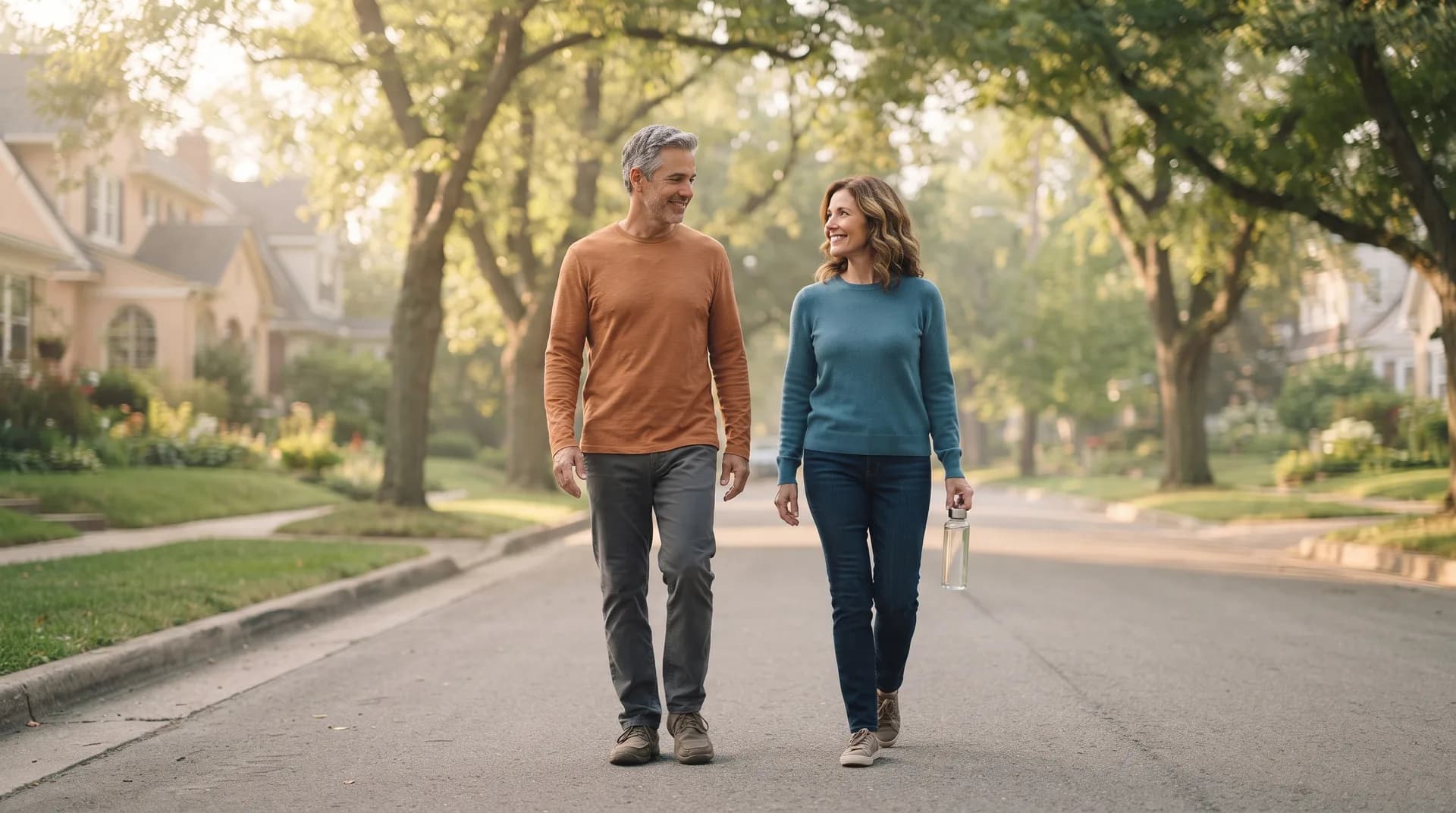
Exercise isn't only about how you look. It changes how your body and brain work, starting with your very next workout and continuing for decades. Here is the short, plain version of what it does for you.
The short version
- Some benefits show up fast: less anxiety, lower blood pressure and better sleep.1
- Over the years, being active lowers your chances of heart disease, stroke, type 2 diabetes, dementia, depression and several cancers.1
- You don't have to be perfect. Any amount is better than none.1,2
What it does for you right away
You don't have to wait years. After you start moving more, you may feel less anxious, your blood pressure can come down, and you can sleep better.1 The CDC puts it simply: physical activity helps you feel better, function better and sleep better.3
What it does for you over the years
Regular activity works like a long-term investment. Over time it:
- Protects your heart. It lowers the risk of heart disease, stroke and high blood pressure.1
- Helps control blood sugar. It lowers the risk of type 2 diabetes.3
- Lowers the risk of several cancers, including breast and colon cancer.1
- Looks after your brain and mood. It lowers the risk of dementia and depression, and helps keep your thinking sharp as you age.1,3
- Keeps you strong and steady. It helps your bones and muscles and lowers the risk of falls in older adults.1
What “lowers the risk” means
These findings describe groups of people. Being active improves your chances, but it can't promise that you will never get one of these conditions.
You don't have to be perfect
This is the most encouraging part. Any amount of activity has some benefit, and the people who gain the most are the ones who start from the least.1,2 In a large study that followed many adults, even people who did less than the recommended amount were less likely to die during the study than people who did no activity at all.4
So a short walk, taking the stairs or a few minutes of stretching all count. Short bouts add up too.1
Don't forget strength
Strength training, such as lifting weights, using bands or doing exercises with your own body weight, is its own recommendation on top of walking or other cardio. It helps you keep or build muscle and protects your bones, joints and muscles as you age.3 Why that matters so much is the story of Muscle Is an Organ: What It Needs to Survive.
How much should you aim for?
The U.S. goal for adults is simple to remember:2,5
- Move at a moderate pace for about 2½ hours a week, or less time at a harder effort. Brisk walking counts.
- Do strength exercises on 2 days a week, working all the big muscle groups.
- Move more and sit less during the day.1
Not there yet? That's fine. Start with what you can do and build up. The exact numbers and what counts are in How Much Exercise Do Adults Need Each Week?.
What exercise can't do alone
Exercise helps with managing weight, but it works best together with how you eat.3 And it is never a substitute for medical care.
Check with your doctor first if…
You have a medical condition (such as heart disease, diabetes or kidney disease), are pregnant, take regular medication, have chest pain or dizziness during activity, or have been inactive for a long time. A doctor or other qualified professional can help you choose a safe starting point.
Quick questions
Is walking enough?
Brisk walking is a great start and counts as moderate activity. The guidelines also ask for strength exercises on 2 days a week, which walking alone doesn't cover.2,5
Do short workouts count?
Yes. Shorter bouts count toward your weekly total.1
Can exercise help my mood?
Yes. Regular activity can lower the risk of depression and anxiety.3
The bottom line
Exercise is one of the most useful things most adults can do for their health. Start where you are, include some strength work, and remember that something is always better than nothing.
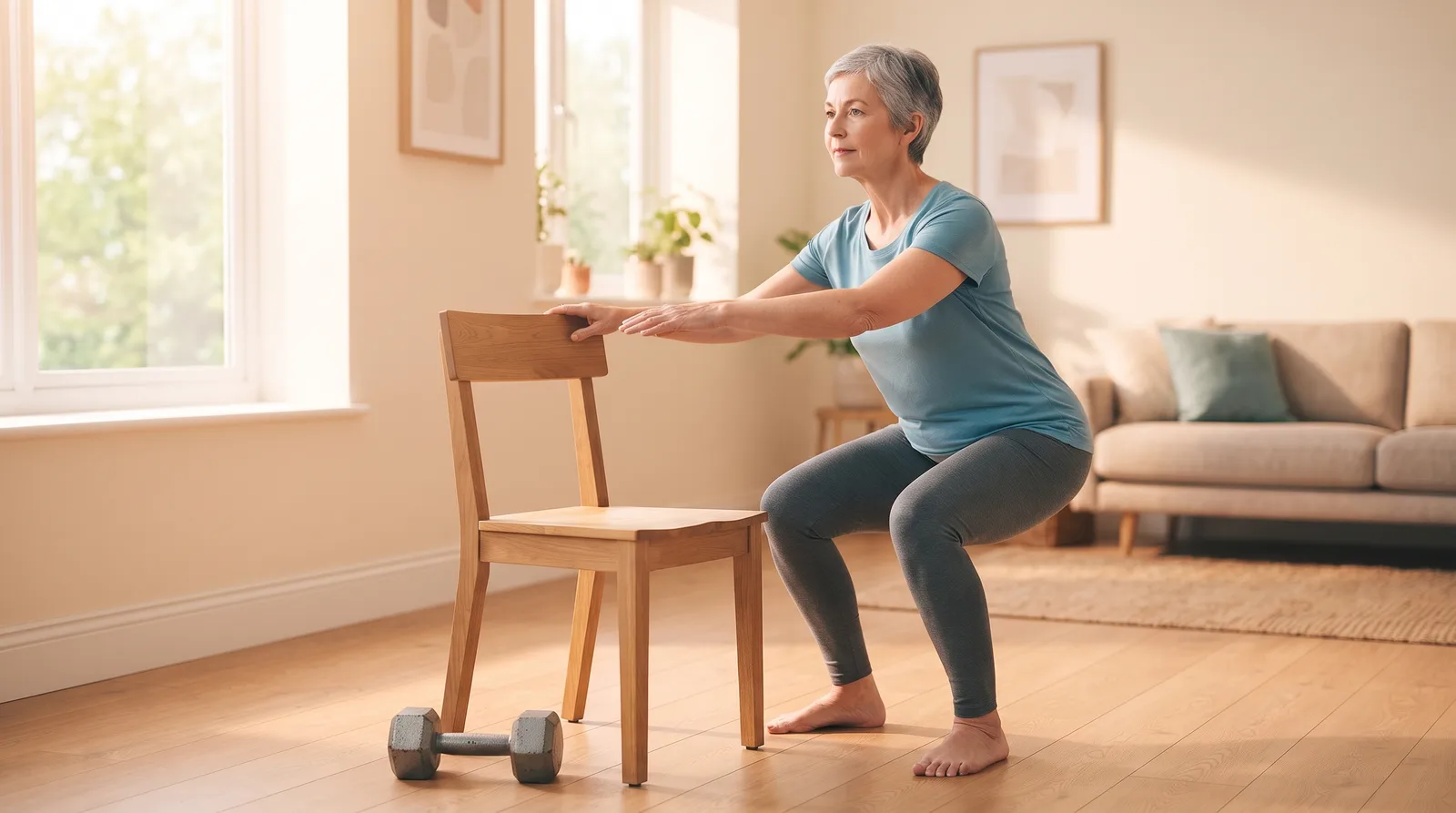
The images in this article were created with AI tools to illustrate concepts. They are not exact anatomical depictions or scientific evidence.
Be the first to like this
References
- Office of Disease Prevention and Health Promotion (ODPHP), U.S. Department of Health and Human Services. Top 10 Things to Know About the Second Edition of the Physical Activity Guidelines for Americans. Content last updated November 19, 2025.
- Piercy KL, Troiano RP, Ballard RM, et al. The Physical Activity Guidelines for Americans. JAMA. 2018;320(19):2020–2028. doi:10.1001/jama.2018.14854
- Centers for Disease Control and Prevention. Benefits of Physical Activity. Physical Activity Basics. Page dated December 4, 2025.
- Arem H, Moore SC, Patel A, et al. Leisure time physical activity and mortality: a detailed pooled analysis of the dose-response relationship. JAMA Intern Med. 2015;175(6):959–967. doi:10.1001/jamainternmed.2015.0533
- Centers for Disease Control and Prevention. Physical Activity Guidelines for Adults. Physical Activity Basics. Page dated December 20, 2023.
Related articles
How to Start Strength Training: A Simple Beginner's Guide
New to strength training? A plain-language guide to how often, how many reps and how to start safely, using simple exercises at home.
Oct 22, 2026 · 3 min readRead →
How Much Exercise Do You Need? A Simple Guide
A plain-language answer to how much exercise adults need each week, what counts as moderate or hard, and how to fit it into real life.
Oct 20, 2026 · 3 min readRead →